



Ingredient Transparency in Skincare & Makeup: What’s Really in Your Products?
Author: Match My Makeup
04 Feb 2026
Ingredient transparency is all about knowing what each component does, why it’s included, and how it affects your skin type or concern. By decoding labels, you can make informed choices, avoid unnecessary irritation, and finally build a routine that truly works for you.
Let’s dive into the science of some of the most effective and commonly used skincare and makeup ingredients.
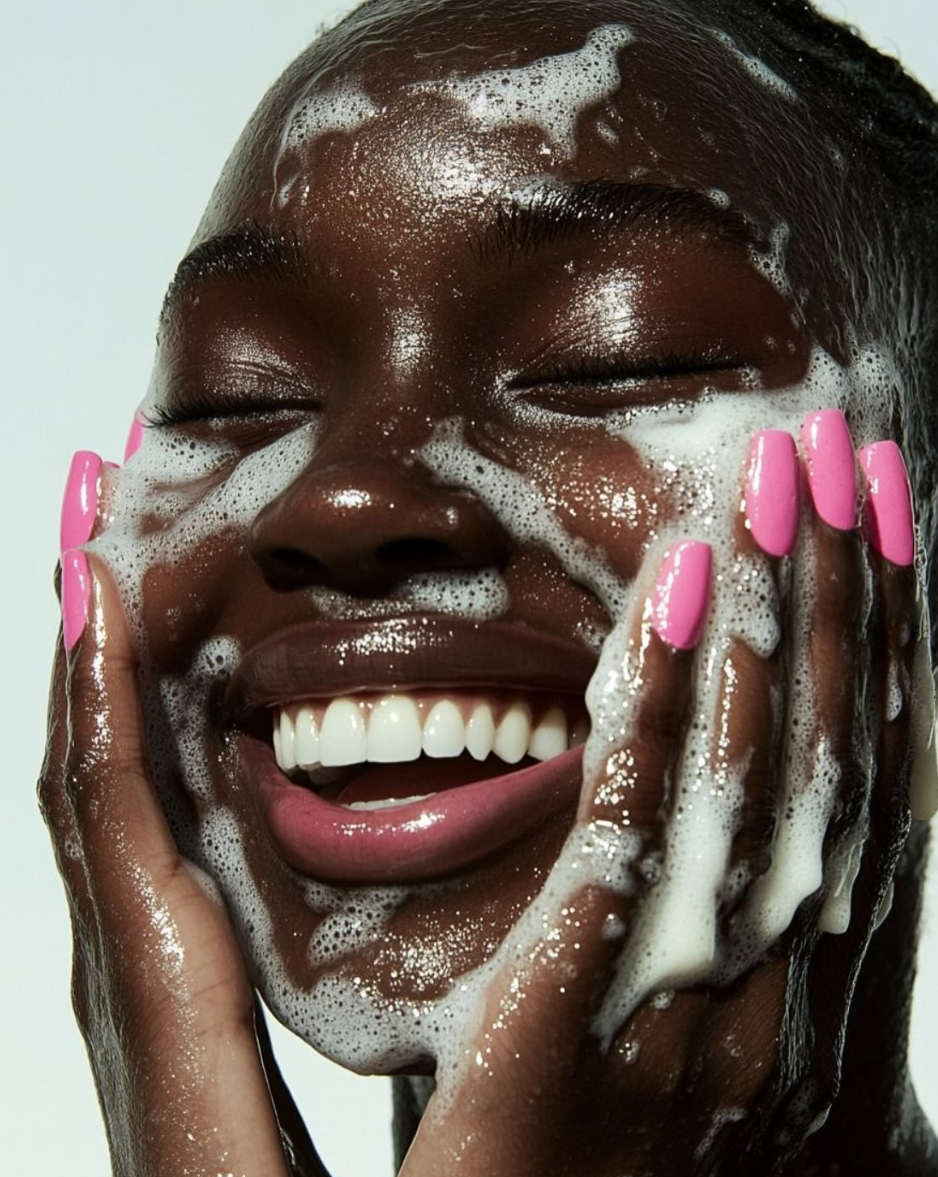 Image (clarealaboratory)
Hydrators: Keep Your Skin Plump and Moisturized
Moisture is the foundation of healthy skin, and hydrators are your best friends. Ingredients like:
Hyaluronic Acid: A natural humectant capable of holding up to 1,000 times its weight in water, helping skin stay plump and smooth.
Glycerin: Another powerful humectant that draws water from the environment into your skin.
Squalane: Lightweight, non-comedogenic oil that locks in moisture and strengthens the skin barrier.
These ingredients are gentle yet effective, suitable for almost every skin type, and form the base for both skincare and makeup that nourishes rather than dehydrates.
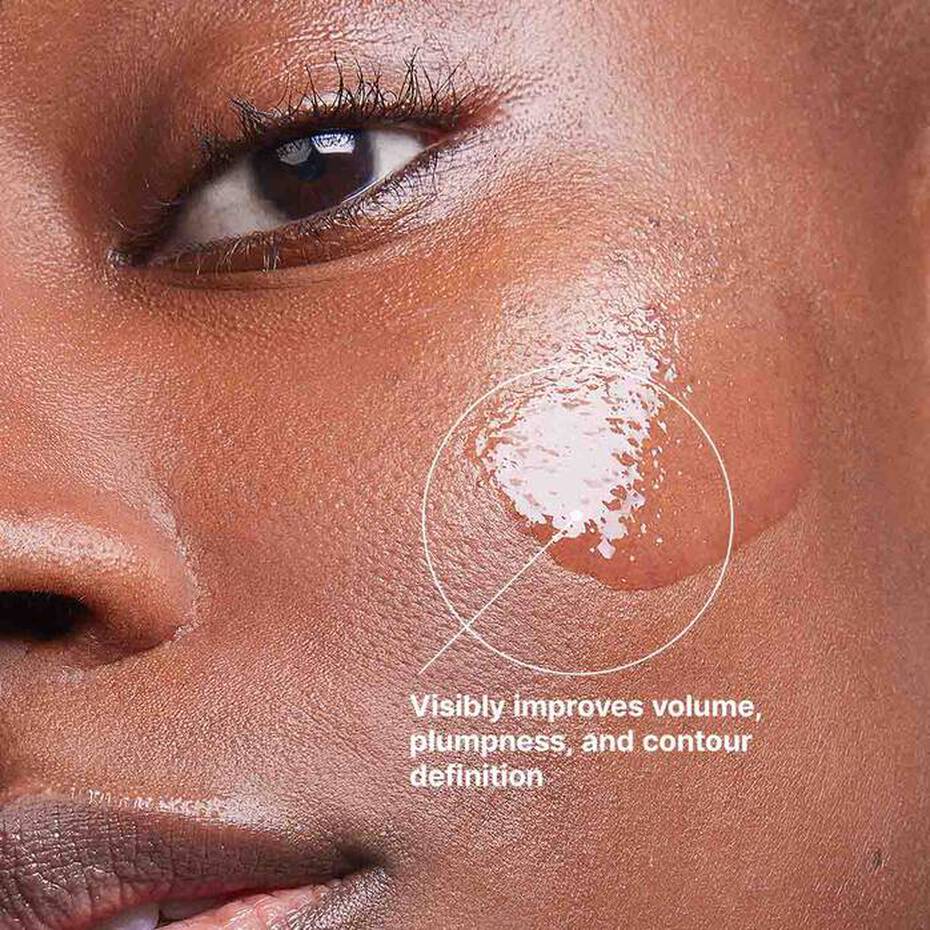 (Image: skinceuticals)
Anti-Aging & Repair: Science-Backed Actives
As we age, collagen and elastin production slows, leading to fine lines, sagging, and dullness. Potent anti-aging ingredients can help counteract these changes:
Retinoids (Retinol, Tretinoin): Accelerate cell turnover, reduce wrinkles, and promote collagen synthesis.
Peptides: Short chains of amino acids that signal the skin to produce collagen and repair tissue.
Niacinamide (Vitamin B3): Reduces inflammation, improves skin elasticity, minimizes pore appearance, and balances oil production.
These ingredients are powerful but must be used correctly. Overuse or high concentrations can irritate sensitive skin, so patch testing and gradual introduction are key.
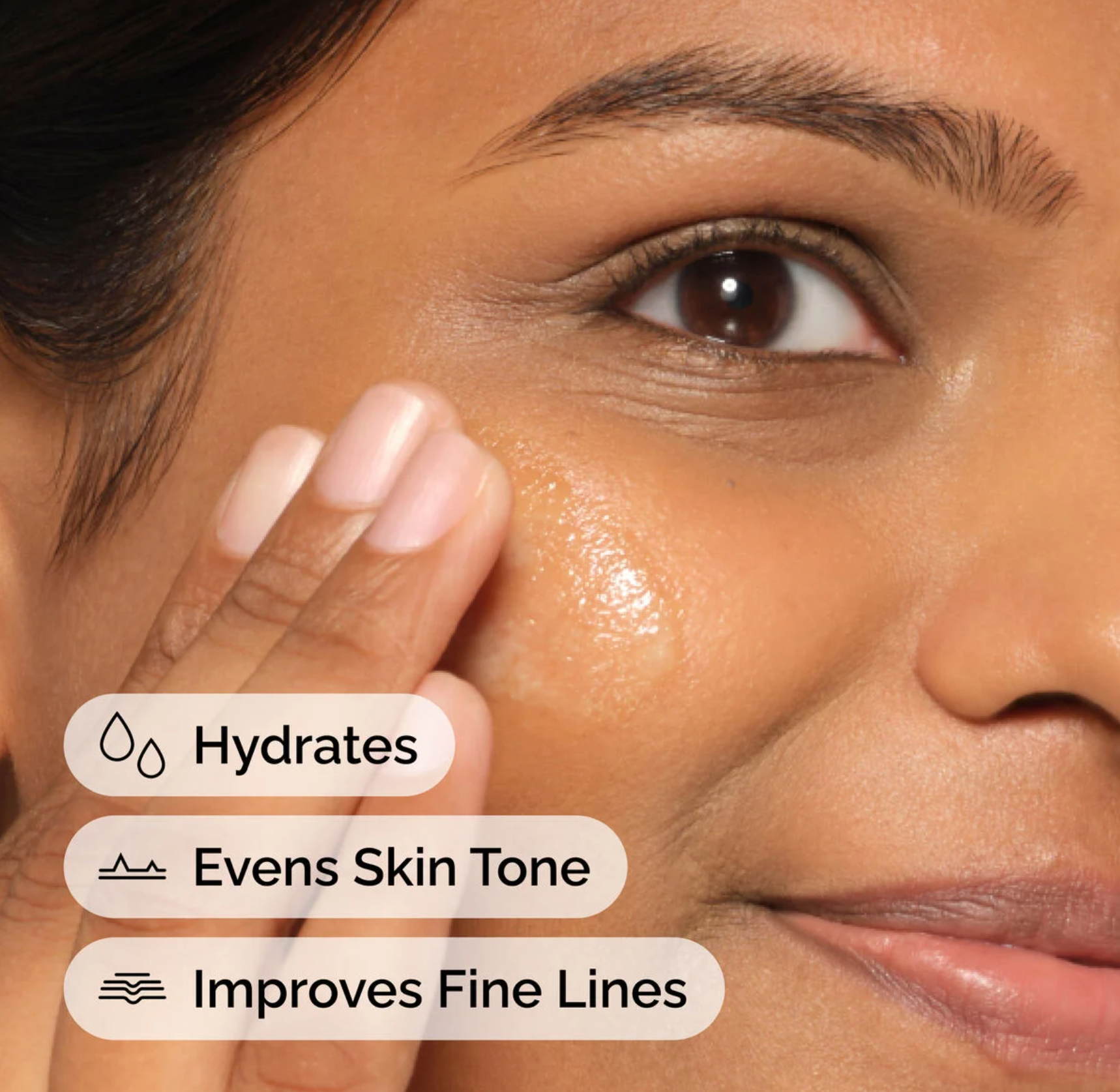 (Image: The Ordinary)
Exfoliants: Smooth, Bright, and Clear
Exfoliation removes dead skin cells and improves texture and tone. The two main types are:
AHAs (Alpha Hydroxy Acids) like glycolic and lactic acid: Water-soluble acids that exfoliate the surface of the skin, ideal for dull, sun-damaged, or dry skin.
BHAs (Beta Hydroxy Acids) like salicylic acid: Oil-soluble acids that penetrate deep into pores, reducing blackheads, acne, and congestion.
Used correctly, these ingredients reveal brighter, smoother skin, but overuse can compromise the skin barrier, causing sensitivity and redness.
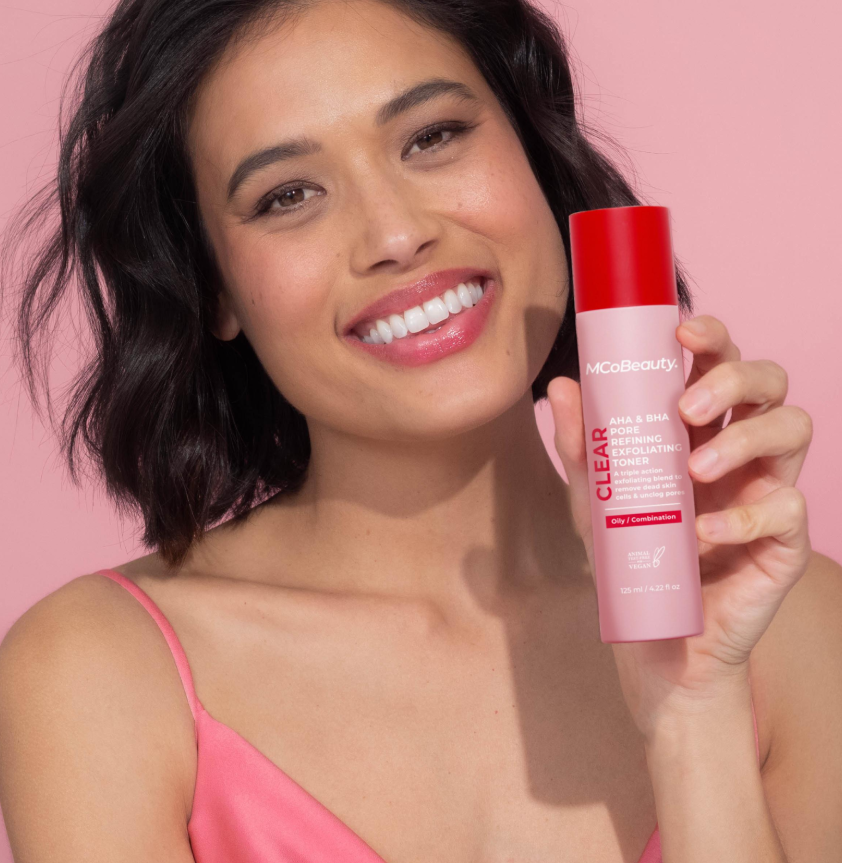 (Image: MCoBeauty)
How to Read Labels and Make Smart Choices
Ingredients are listed from highest to lowest concentration, so pay attention to the first few ingredients, they have the biggest impact. Beware of marketing buzzwords like “clean” or “natural” that don’t always reflect potency or safety. When trying new actives, always patch test and introduce products slowly.
Ingredient transparency isn’t just a buzzword, it’s the key to safer, smarter, and more effective skincare and makeup routines. By understanding what’s in your products and how they work, you can build a routine tailored to your skin type, concerns, and lifestyle. Remember: good skincare isn’t about using the most ingredients, it’s about using the right ingredients consistently.
Source matchmymakep.com



Subscribe
For all the latest news, tips, trends and exclusives, be sure to sign up to receive the latest straight to your inbox.
By clicking subscribe you agree to our terms and privacy policy.



Subscribe
For all the latest news, tips, trends and exclusives, be sure to sign up to receive the latest straight to your inbox.
By clicking subscribe you agree to our terms and privacy policy.